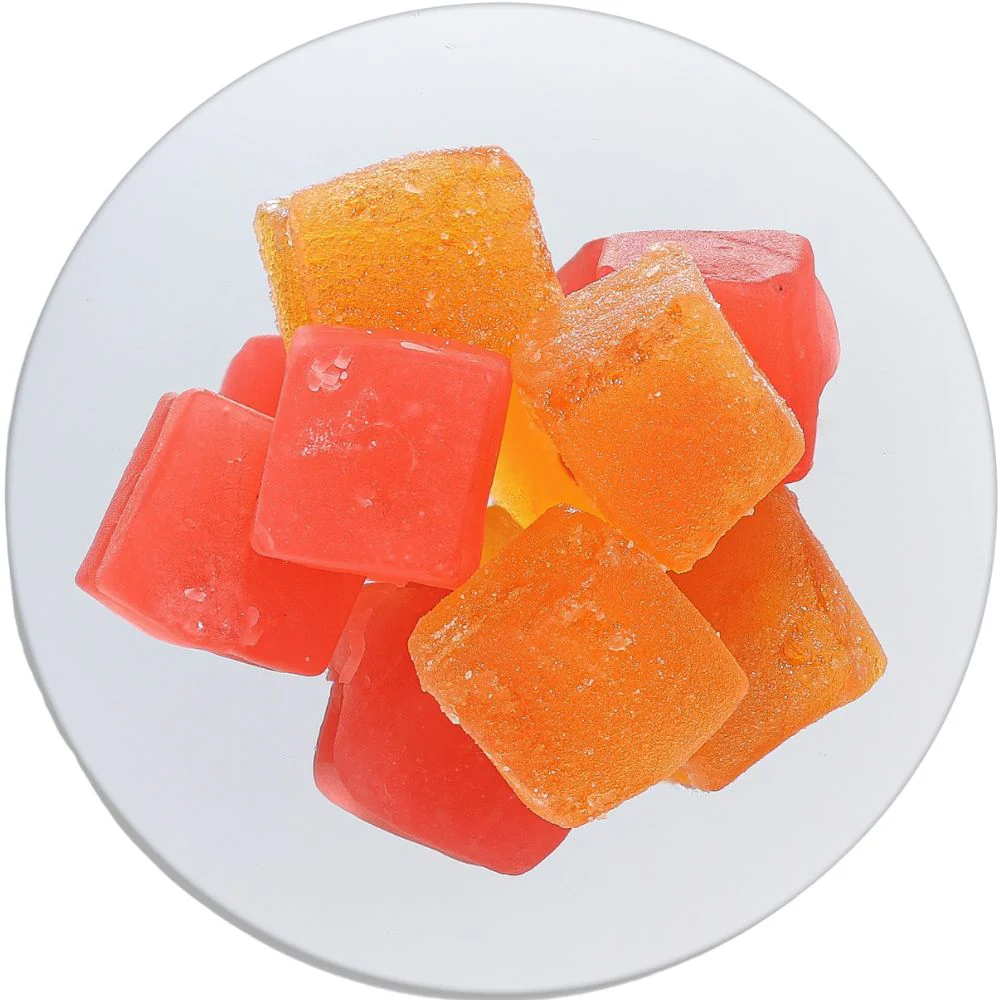

What goes inside a cannabis edible can shape far more than its taste. Sweeteners plus texture agents can change how each piece feels during use. Adults comparing euphoria edibles may also examine cannabinoid amounts before making a choice. Some recipes remain simple while others contain several added components. Clear package details make these differences easier to recognize.
Cannabinoid Blends Shape Product Composition
THC may appear alone or beside other cannabinoids in certain products. CBD can create a different formula balance without removing THC effects.
Minor cannabinoids may also appear according to the intended recipe. The stated amount of every active compound deserves careful review.
Sweeteners Affect Taste and Texture
Sugar choices influence sweetness plus the physical feel of an edible. Some recipes use standard sugar while others choose alternative sweeteners.
These differences may change firmness or the finish after chewing. Sweetness alone cannot indicate THC strength or expected intensity.
Recipe Components Deserve Careful Attention
A complete label can reveal how an edible was constructed. Several details help distinguish products beyond their package appearance.
- Pectin can create a softer texture in certain edible recipes.
- Gelatine provides a different chew compared with plant-based alternatives.
- Natural flavors may create distinct taste profiles across varied formulas.
- Sweetener choices influence overall sweetness without determining cannabinoid potency levels.
- Added oils can support even ingredient distribution throughout each piece.
- Coloring ingredients change appearance rather than the expected THC effects.
- Allergen statements identify substances that may cause unwanted personal reactions.
- Preservative information helps explain how certain products maintain suitable quality.
Ingredient Order Provides Useful Clues
Package labels usually list components according to applicable labeling rules. The order can help buyers understand the general makeup of a recipe.
Active cannabinoid amounts should still appear clearly in serving information. Laboratory reports provide additional evidence about measured cannabinoid levels.
What Makes Ingredient Selection Matter for Cannabis Edibles?
Recipe design affects taste plus texture or cannabinoid composition. A soft edible may use different setting agents than a firmer product. Sweeteners can alter flavor while added oils may support consistent manufacturing. Active compounds create another important distinction. THC quantity remains especially important because it can affect impairment plus overall intensity. Clear labeling helps adults separate these different roles.
When comparing euphoria edibles, consumers should consider the complete formula rather than one attractive feature. A pleasant taste does not prove product quality. Higher potency also does not guarantee a preferred response. Personal tolerance can change how THC feels. Current testing information provides a stronger basis for understanding measured contents before consumption.
Testing Adds Another Quality Measure
Laboratory records can confirm cannabinoid amounts within a specific tested batch. Some reports may also include results for selected unwanted substances. Testing supports informed comparison but cannot predict a personal response.
Common Questions About Edible Ingredients
Basic questions often appear when adults review cannabis edible labels. Direct answers help explain how common components affect product characteristics.
- Do sweeteners change potency? Sugar choices cannot determine actual THC strength.
- Does pectin affect effects? It mainly changes the edible texture.
- Should allergens be reviewed? Clear notices identify possible sensitivity concerns.
- Can recipes contain CBD? Some products combine multiple cannabinoids.
- Do colors influence THC effects? Appearance ingredients do not indicate potency.
- Should testing records matter? Reports help confirm measured cannabinoid content.
Responsible Use Extends Beyond Ingredients
Understanding a formula does not remove the need for cautious consumption. Serving amounts plus delayed onset remain important regardless of recipe design.
- Smaller portions may reduce unexpectedly strong effects among inexperienced adults.
- Waiting sufficiently helps prevent another serving from being consumed early.
- Secure storage keeps cannabis products away from children or pets.
- Original packaging preserves warnings plus stated serving details for reference.
- Driving should wait until intoxicating effects have completely passed safely.
- Alcohol may increase impairment when consumed near THC containing products.
- Local regulations should be checked before purchasing or possessing cannabis.
- Expired items deserve disposal according to suitable local guidance procedures.
Clear Labels Strengthen Product Understanding
Complete ingredient information helps adults compare formulas on measurable grounds. Serving details clarify active amounts while testing can support stated contents. Allergen notices provide another useful layer of information before selection. Together, these elements create a clearer picture of each edible.
Steady Review Leads Better Decisions
Sound judgment starts by examining dependable details instead of bold promises. Measured portions can reduce avoidable uncertainty when tolerance remains unclear. Verified records provide stronger guidance across recipes that appear similar. Regular caution supports sensible handling as product choices continue changing. Consistent execution matters more than trying to achieve a perfect result.